Your veins play a vital role in your circulatory system, carrying deoxygenated blood back to the heart. When a vein becomes 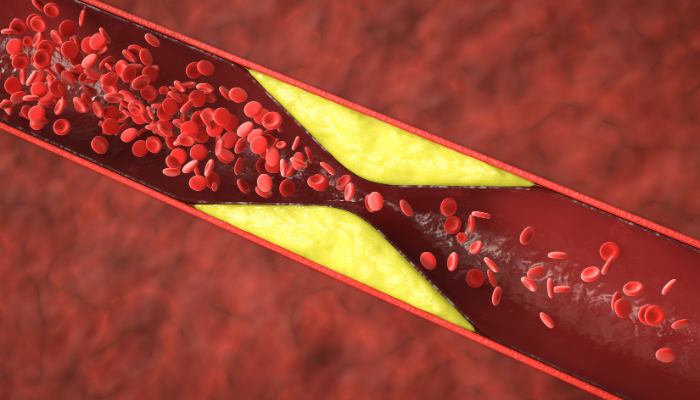 blocked, it can disrupt blood flow and lead to serious health issues. Coastal Vascular & Vein Center specializes in diagnosing and treating vascular conditions like vein blockages to help restore healthy circulation and prevent complications.
What Are Blocked Veins?
A blocked vein occurs when blood flow through a vein is partially or completely restricted. This can happen due to a blood clot, external pressure on the vein, or scarring from a previous injury or inflammation. Blockages can occur in superficial veins near the skin or deep veins in the muscles, most commonly in the legs or pelvis.
Common Causes of Vein Blockages
Several conditions and lifestyle factors can increase the risk of developing a blocked vein:
- Deep Vein Thrombosis (DVT): A blood clot forms in a deep vein, often in the leg, causing pain and swelling.
- Chronic Venous Insufficiency: Weak or damaged vein valves can cause blood to pool, leading to clot formation or obstruction.
- May-Thurner Syndrome: Compression of the left iliac vein by the right iliac artery increases the risk of clotting.
- Cancer and Certain Medications: Some cancers and treatments can increase blood clot risk.
- Prolonged Immobility: Long periods of sitting or bed rest can slow blood flow, increasing clot risk.
- Injury or Surgery: Trauma to veins or nearby tissues can lead to scarring or clot development.
Symptoms of a Blocked Vein
The signs of a vein blockage depend on its location and severity. Common signs include:
- Swelling in the affected limb, especially one-sided leg swelling
- Pain or tenderness, often starting in the calf
- Skin discoloration or redness
- A feeling of heaviness or tightness in the leg
- Warmth over the affected area
- In chronic cases, varicose veins, skin changes, or non-healing leg ulcers may develop
If the blockage is caused by a DVT, there’s a risk that the clot could travel to the lungs, leading to a life-threatening pulmonary embolism. This is a medical emergency.
How Are Blocked Veins Diagnosed?
Coastal Vascular & Vein Center uses advanced vascular imaging tools to accurately identify and assess vein blockages. Diagnostic tests may include:
- Duplex ultrasound – the most common and non-invasive method to visualize blood flow and detect clots
- Venography – an X-ray test with contrast dye to visualize vein structure
Treatment Options for Blocked Veins
Treatment depends on the cause, severity, and location of the blockage. Our board-certified vascular specialists offer a range of evidence-based treatments, including:
- Anticoagulation Therapy: Blood thinners prevent existing clots from growing and reduce the risk of new ones forming.
- Thrombolysis or Thrombectomy: In more severe cases, medications may be delivered directly to the clot, or a catheter-based procedure may be used to remove it physically.
- Stenting and Angioplasty: If a vein is narrowed or compressed, balloon angioplasty and stent placement can open and support it, restoring healthy blood flow.
- Compression Therapy: Graduated compression stockings may be used to reduce swelling and prevent complications.
- Lifestyle Modifications: Improving physical activity, managing weight, staying hydrated, and avoiding long periods of immobility are important for vein health.
When to See a Vascular Specialist
If you’re experiencing the symptoms of a blocked vein, don’t ignore the signs. Early diagnosis and treatment of a blocked vein can prevent long-term complications like post-thrombotic syndrome, chronic swelling, or even life-threatening events.
Trust the Experts
Our team at Coastal Vascular & Vein Center provides comprehensive, personalized care for vascular conditions like blocked veins. We use state-of-the-art diagnostics and minimally invasive treatments to help patients return to healthy, active lives.
Contact us today to schedule a consultation.